
EHS Management System
EHS Management System
- EHS Management System
- Workplace Health
- EHS Certifications
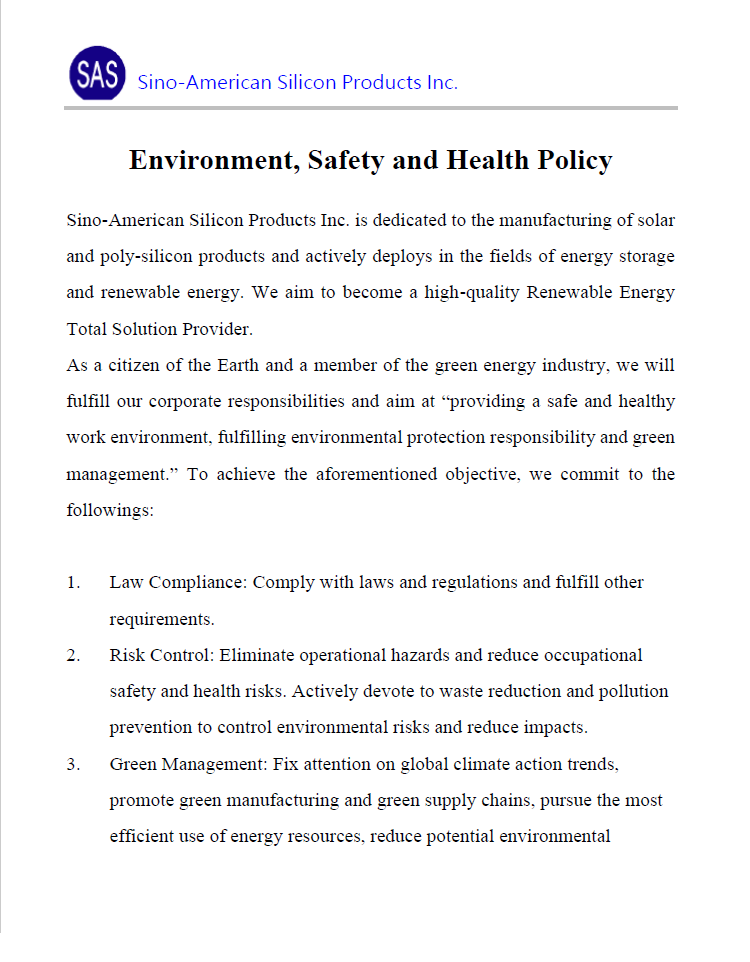
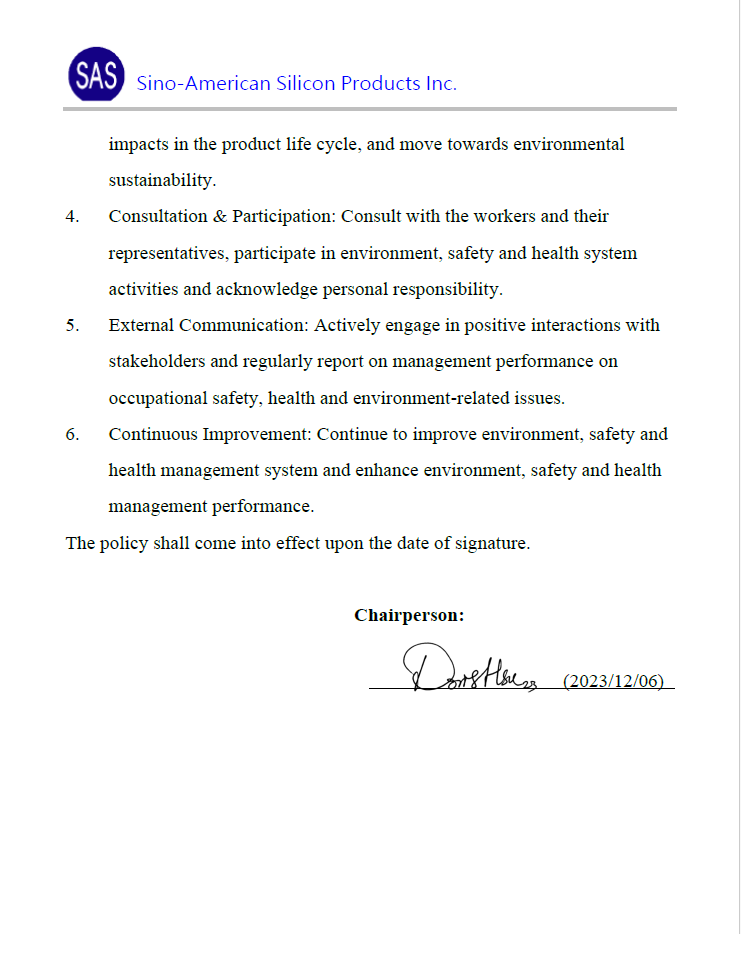
- EHS Management System and Policy Commitments
At SAS, safety is not simply a requirement. It is a culture built on the active participation of every employee. We encourage all employees to take ownership of their own safety and that of their colleagues, integrating safety awareness into their daily work practices.
Recognizing the expectations of stakeholders and the importance of management and employee engagement, SAS has implemented an Occupational Health and Safety Management System to ensure that occupational health and safety is not treated as a standalone function, but rather as an integral component of sustainable business operations and long-term corporate resilience. In accordance with ISO 45001:2018 and ISO 14001:2015, the Company has established its Environmental, Health, and Safety (EHS) Policy, which has been approved and signed by the highest level of management, the Chairman, and communicated through the Company’s internal information platform, purchase orders and other external documents, as well as the corporate website.
Through these communication channels, SAS demonstrates its commitment to providing a safe and healthy workplace, fulfilling its environmental protection responsibilities, and promoting sustainable and green business practices. To achieve these objectives, the Company has established a range of management procedures aimed at preventing and mitigating workplace hazards and health impacts. In addition, internal and external communication mechanisms are maintained to collect and respond to stakeholder feedback, ensuring continuous improvement in environmental, health, and safety performance.
- Occupational Health and Safety Organizations
In compliance with applicable regulations, SAS has established Occupational Safety and Health Committees at each operating site and convenes committee meetings on a quarterly basis. The meetings are chaired by the President or, when delegated, by the Vice President of each site. Department managers and employee representatives actively participate in the discussions to ensure effective communication and employee involvement in occupational safety and health management.
Key agenda items include occupational safety and health management programs, workplace environmental monitoring and improvement measures, occupational safety and health training, safety audits, management performance reviews, incident prevention and awareness initiatives, health management, and employee wellness promotion. Resolutions and recommendations from each meeting are documented and tracked to ensure timely completion and continuous improvement.
In addition, SAS conducts internal audits every six months to evaluate the implementation and effectiveness of occupational health and safety policies, procedures, and operating standards. Based on audit findings, corrective and preventive actions are developed and implemented to address identified gaps and enhance management effectiveness. Through this continuous review process, the Company strives to strengthen its occupational health and safety management system and foster a safe, healthy, and sustainable workplace for all employees.
Role Definition: Responsible for approving the occupational safety and health policy, allocating resources, and overseeing the overall operation of the management system.
Main Duties:
- Regularly review the implementation progress of the occupational safety and health management system, make decisions on major health and safety issues, and provide strategic guidance.
- Allocate sufficient resources to support on-site safety improvement actions and ensure effective implementation of the occupational safety and health policy.
- Review and evaluate the achievement of occupational safety and health objectives at each site to ensure continuous improvement.
Communication Mechanism: Through the Safety Committee, Management Review Committee, or other occasional meetings, receive progress reports on occupational safety and health management and make resource allocations or decisions regarding improvement initiatives.
Role Definition: Serving as the coordination and communication hub for policy implementation, this group is responsible for tracking execution effectiveness and proposing improvement plans. Members include labor representatives, supervisors at all levels, and occupational safety and health personnel, ensuring that diverse perspectives are incorporated into decision-making.
Main Duties:
- Quarterly meetings are held to review the effectiveness of occupational safety and health policy implementation and to propose concrete improvement suggestions based on on-site inspections and frontline employee feedback.
- An annual occupational safety and health plan is formulated to ensure that all improvement actions are effectively tracked and gradually implemented.
- Review safety and health inspection findings at each site and assess the effectiveness of corresponding corrective actions, proposing revisions when necessary.
- Regularly report implementation results to senior management and submit subsequent management plans and recommendations.
Communication Mechanism: Communicate safety management progress with each department through quarterly meetings, collecting feedback from frontline personnel to ensure that on-site needs are promptly reflected in decision-making.
Role Definition: Responsible for on-site safety inspections and prompt issue reporting, forming a multi-level support system together with on-site personnel and Little Safety Officer coordinators to jointly safeguard health and safety in the workplace.
Main Duties:
- Follow safety operating procedures, implement on-site safety measures, and immediately report and assist in on-site improvements when any abnormal conditions are identified.
- Conduct routine inspections to check equipment operational safety and compliance with procedures, ensuring that the working environment meets established standards.
- Act as frontline executors of occupational health and safety tasks, assisting in identifying potential risks within the plant and taking appropriate measures to eliminate or mitigate them.
Communication Mechanism: Through quarterly Occupational Safety and Health Committee meetings and monthly Little Safety Officer meetings, key directions of safety and health management are communicated, and recommendations for addressing on-site risks are proposed to ensure effective responses to issues encountered during implementation.
- Safety and Health Education and Training
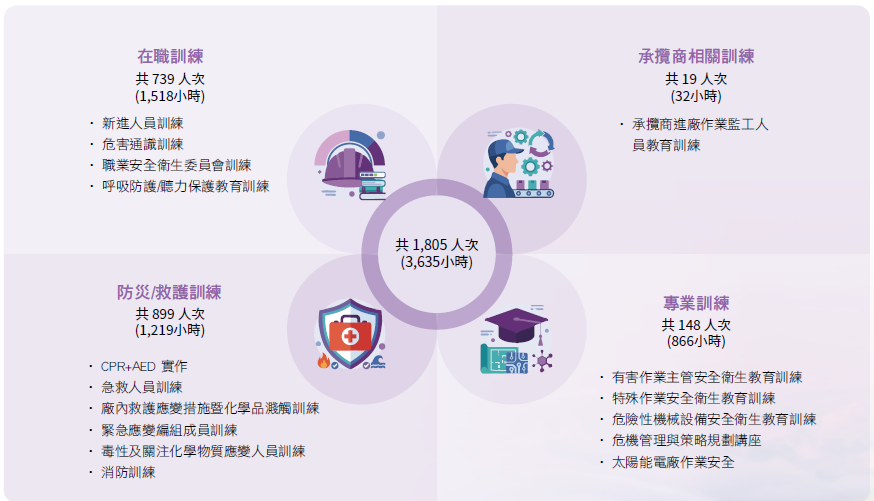
To enhance workers’ occupational safety and health awareness and emergency response capabilities, the Company systematically develops annual training plans based on operational requirements, regulatory obligations, management priorities, and employee feedback. These plans are consolidated by the responsible training units and implemented according to the annual training schedule. Training participants include new hires, existing employees, supervisors at all levels, and contractors. Course content focuses on regulatory compliance awareness, competency development, operational safety management, emergency response, and first-aid preparedness.
Training programs are categorized into routine training and specialized training courses, with instruction delivered by internal or external professionals possessing relevant expertise and practical experience. For courses related to professional qualifications, emergency response, first aid, and on-the-job training, the Company has established post-training assessment mechanisms to verify learning outcomes. Participants who fail to meet the required standards must complete additional training. For other specialized courses, interactive discussions and practical exercises are incorporated to strengthen learning retention and application, thereby continuously enhancing the overall effectiveness of occupational safety and health training programs.
▼2025 EHS Training Results
- Incident Investigation and Corrective Actions
SAS has established Incident Reporting, Handling and Investigation Procedures and Nonconformity and Corrective Action Management Procedures to ensure the effective management of occupational safety and health incidents. Through the Company’s internal EHS and Health Information Platforms, employees are provided with guidance on incident reporting procedures and emergency response processes, including real-time information issued by government authorities and medical institutions, as well as emergency treatment measures for chemical exposure incidents.
All incidents, regardless of their severity, are subject to investigation. Investigation teams include relevant managers, supervisors, employees involved in the incident, employee representatives, and qualified personnel who have received incident investigation training. The primary objective of each investigation is to identify the root causes of the incident and reassess associated hazard and risk evaluations. Appropriate corrective and preventive measures are then implemented to eliminate the underlying causes and prevent recurrence. Occupational safety and health personnel are responsible for monitoring and verifying the effectiveness of these corrective actions.
In addition, when workers are exposed to an imminent and serious danger in the workplace, they have the right to stop work and evacuate to a safe location, provided such actions do not endanger the safety of others. Employees are required to immediately notify their supervisor of the situation, and the Company strictly prohibits any form of retaliation or adverse treatment against employees who exercise this right in good faith.This systematic approach to incident management enables SAS to continuously strengthen workplace safety, enhance risk prevention capabilities, and foster a safe, healthy, and resilient working environment.
In 2025, a total of six occupational injuries, excluding commuting accidents, and zero near-miss incidents were recorded among employees.According to the disabling injury indicators defined by the Ministry of Labor, the disabling injury frequency rate (FR) was 3.31 and the disabling injury severity rate (SR) was 41.
In 2024, a total of ten employee occupational injuries were recorded, with an FR of 7.66. In response, the Company established an improvement target of reducing the FR by 20% to below 6.12. To achieve this target, the Company continued to advance measures related to hazard identification and risk control in routine operations, incident investigation and corrective and preventive actions, education, training and awareness promotion, and enhanced participation by on-site managers. In 2025, the FR decreased to 3.31, achieving the original 20% reduction target. Going forward, the Company will continue to optimize its management practices based on incident investigation findings and the effectiveness of improvement measures, while strengthening on-site implementation to steadily enhance safety management performance.
- Safety Culture
The occupational health and safety management system applies to all primary operational sites, extending its scope from in-plant personnel to contractors. The Company is committed to providing a healthy and secure work environment for all individuals. To support the effective functioning of this system, SAS places emphasis on the following key areas:
1.Total Participation in Safety Management
Safety is regarded as a shared responsibility among management, employees, and partners. Regular meetings, feedback platforms, and direct involvement are used to facilitate observations about the work environment and provide suggestions for improvement. Open communication and the exchange of ideas are considered essential for integrating safety and health into workplace culture.
2. Systematic Execution and Support
An internal team is assigned to implement and monitor safety management measures, with senior management conducting regular reviews and offering support. The aim is to ensure each task complies with regulations and addresses potential risks through preventive actions.
3. Transparent and Open Communication
The occupational safety and health policy is communicated to all employees via various channels, including the internal information portal and scheduled meetings. The main aspects of the policy are also available on the company’s official website and in relevant external documents, allowing stakeholders to access information regarding these safety commitments.
SAS recognizes that workplace safety is fundamental to sustainable operations. Since 2015, the Company has promoted the “Safety for Everyone” initiative to strengthen employees’ safety awareness, improve workforce competency and discipline, and effectively reduce workplace incidents.
Building upon this foundation, SAS launched the second phase of the initiative in 2017, introducing a Zero Repeat Incident KPI Program, employee-led safety management, and workplace safety care activities. This program emphasizes accountability, safety discipline, and employee ownership of safety performance. Employees are encouraged to proactively report near-miss incidents and remind one another of safe work practices, further strengthening safety awareness and fostering a safer working environment.
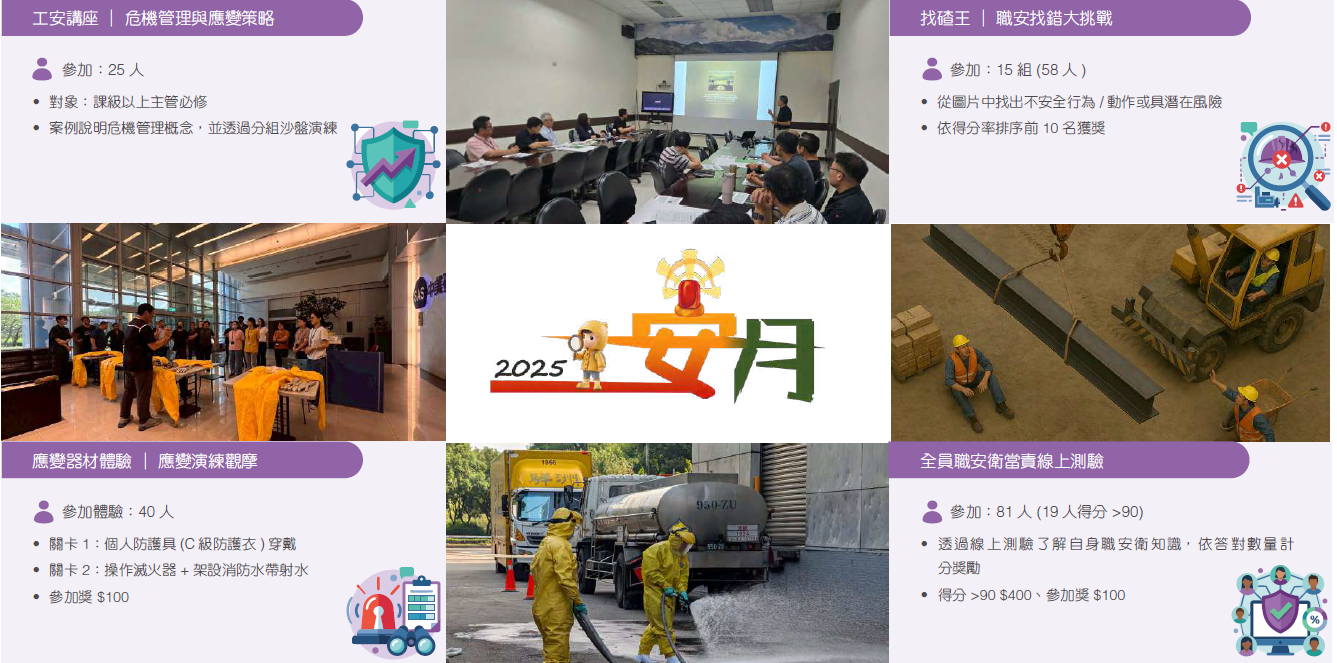
To embed the concept of safety into everyday operations, SAS integrates safety management with engagement and recognition programs, encouraging employees to incorporate safety considerations into their daily routines. Through diverse learning activities and practical training, employees continuously enhance their hazard identification and risk awareness capabilities. The Company also reinforces the involvement of frontline supervisors and managers, ensuring that safety responsibilities are not only embedded in management systems but are also effectively implemented at the operational level.
In 2024, SAS further enhanced its “Little Safety Officer 2.0” program by expanding participation across all operating sites. The initiative broadened the scope of safety culture promotion beyond designated safety representatives, enabling employees throughout the organization to actively participate in fostering a safe workplace. Through the Little Safety Officer 2.0 program, safety awareness is integrated into daily work practices and employees are encouraged to take greater ownership of safe behaviors, progressively advancing toward a culture of proactive and self-managed safety.
SAS remains committed to strengthening health and safety awareness throughout the workplace. Beyond preventing accidents and reducing risks, we believe that creating a safe and healthy work environment requires the active participation of every employee. Through continuous engagement and improvement efforts, workplace safety and well-being become not only corporate objectives, but shared achievements created collectively by all employees.
▼2025年竹南工安月活動
- Contractor Management
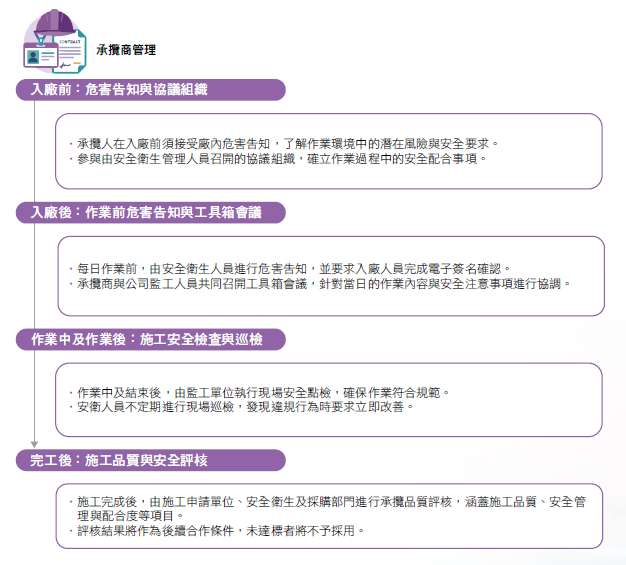
SAS cooperates with a huge number of contractors in an effort to spur the industry development. We have formulated clearly defined contractor management guidelines to safeguard the health and safety of our partners and fulfill our pledge to provide a safe and healthy work environment.
When signing contracts with contractors, we request that they comply with OSH related laws and regulations and abide by relevant requirements of the company regardingpersonnel qualifications, construction work, machine tools and materials, and safety equipment. Accident occurrence rates are minimized through a series of management measures including pre-contracting and pre-construction hazard notices, construction application management by responsible units, access controls for contractors, management of construction operations, and post-construction verification in addition to sporadic on-site audits by health and safety management personnel in plant areas.
- Emergency & Contingency
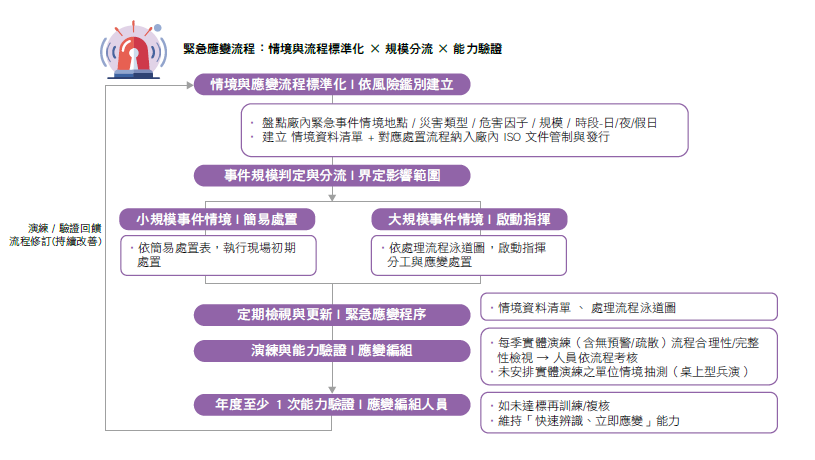
There is usually not enough time to decide who should be responsible for what, how to do it, and how to obtain outside support when an emergency occurs. But failure to take effective control measures within a short period of time may lead to serious consequences. Conduct contingency drills for possible emergencies based on the plants’ hazard identification and risk assessment results. SAS has comprehensively reviewed and strengthened the fire/electrical equipment, electrical control measures, and related emergency response information in the plants such as shortening the emergency response drills frequency, integrating emergency response organizing personnel and emergency response equipment, handling a series of emergency response education and training, and building an information disclosure platform to enhance personnel awareness.
- Safety Workplace
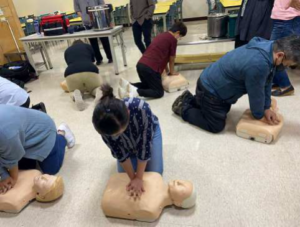
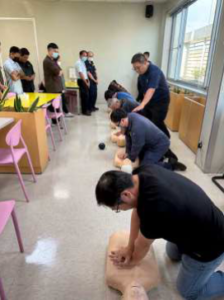
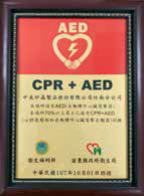
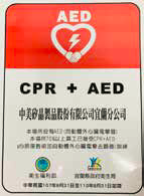
To enhance workplace safety, SAS has installed Automated External Defibrillators (AEDs) with 24-hour connectivity throughout its facilities. In addition, employees are provided with CPR and AED training to equip them with essential first-aid and emergency response skills. By extending emergency medical assistance to the scene of an incident, the Company seeks to create a healthier and safer working environment for all employees.
In recognition of these efforts, SAS has received the “AED Safe Place Certification” and “Healthy Workplace Certification” awarded by the Ministry of Health and Welfare of Taiwan, acknowledging the Company’s commitment to employee health, safety, and well-being.
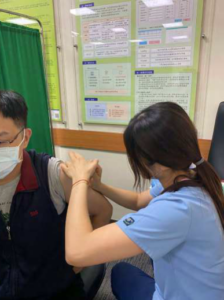
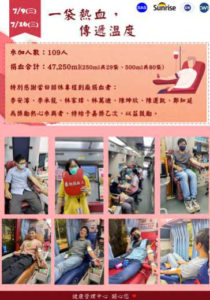
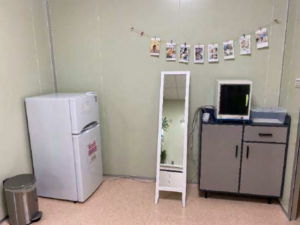
▼CPR and AED Training Programs、Annual Employee Health Examinations、Annual Flu Vaccination Campaign、Charity Blood Donation Campaign、Lactation Room
- Safe Workplace and Healthy Workplace Certifications
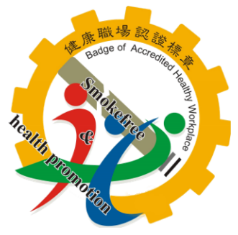
Employees’ health is a fundamental cornerstone of the Company’s competitiveness. Health centers are established at each Sino-American Silicon Products (SAS) site, staffed with full-time occupational health nurses and contracted physicians to provide a wide range of healthcare services, including health consultation, follow-up management of health concerns, and referrals for further medical treatment when necessary.
In addition, SAS is committed to safeguarding employees’ physical and mental well-being through The Five Pillars of Health Protection: maternal health protection, prevention of abnormal workload-related illnesses, prevention of workplace violence and harassment, health protection for middle-aged and older employees, and ergonomic hazard prevention. Through diverse health care initiatives, wellness seminars, and health promotion activities, the Company continues to foster a healthy and supportive workplace environment.
- 2025 The Five Pillars of Health Protection
- A total of 18 female employees of childbearing age, pregnant employees, and employees within one year postpartum received workplace hazard identification and hazard communication services.
- Following comprehensive evaluations conducted by occupational medicine physicians, work suitability assessments and arrangements were implemented. A total of 18 employees were classified under Level 1 health management, while no employees were classified under Level 2 or above. All 18 employees were deemed fit to continue their current work assignments, and no job modifications were required.
- Three lactation rooms were provided across the Company’s facilities.
- Each pregnant employee received a “Good Pregnancy Pack,” including a maternity and nursing pillow (moon-shaped pillow) or a maternity support belt. A total of one care package was distributed in 2025.
A total of 436 employees underwent abnormal workload risk screening in 2025. Among them, 4 employees were identified as having significant health risks and completed occupational physician consultations, health guidance, and preventive interventions. No employees were recommended to adjust or shorten their working hours, and no job reassignments were required.
Assessments are conducted once every two years. In 2025, a total of 72 employees were included in the follow-up management program and provided with health education and promotion information.
- 1.Established the Regulations for the Prevention of Workplace Violence and Protection Management and Workplace Sexual Harassment Prevention Measures.
- A total of 36 workplace violence prevention awareness training sessions were conducted, with 833 participant attendances. The training completion rate reached 100% for all new employees and supervisors (deputy section manager level and above).
- Nine discussion-based workshops were organized for supervisors, with 61 managers participating. Through facilitated activities led by licensed counseling psychologists, supervisors were encouraged to develop empathy, strengthen perspective-taking skills, and enhance their response and communication capabilities in workplace situations. The participation rate among supervisors reached 82%.
- Two employees were identified as having suspected work-related musculoskeletal discomfort and completed on-site ergonomic assessments, as well as consultations and guidance provided by occupational medicine specialists.
- For identified improvement needs, engineering controls and work process modifications have been completed, including the use of material handling equipment to reduce manual handling workloads. These measures have been incorporated into operational controls, education, and awareness programs as part of routine management practices.
- Health Promotion
SAS is committed to promoting employee health through comprehensive and diversified health management programs. Annual health management plans are developed based on the analysis of employee health examination results to address identified health risks and improvement needs.
The Company provides physical examinations and health screenings for different employee groups, with examination items and frequencies exceeding legal requirements. In partnership with medical institutions, free cancer screening services, including colorectal, cervical, breast, and oral cancer screenings, are also offered to facilitate early detection and health management.
Employees with abnormal examination results receive follow-up care and consultation from occupational physicians, while dedicated departments implement health improvement and wellness promotion programs based on health data analysis to continuously support employee well-being.
Annual Health Examinations Beyond Regulatory Requirements
The Company partners with the Linkou Chang Gung Memorial Hospital mobile health examination team to provide professional health screening services. Personal health data are collected, processed, and protected in compliance with applicable data protection regulations, ensuring that examination results do not result in any favorable or unfavorable treatment of employees.
Occupational Physician
Occupational medicine specialists provided on-site consultation services. A total of 15 on-site service sessions were conducted, serving 64 employees, with total expenditures of NT$120,000 in 2025.
Government-Funded On-Site Influen
Free influenza vaccination services are provided on-site to enhance employees’ immunity and reduce the risk of workplace infectious disease outbreaks. Discounted influenza vaccination programs are also made available to employees’ family members through contracted healthcare providers.
First-Aid Skills Training
The Company regularly provides the “In-Plant Emergency Medical Response Measures and Chemical Splash Response Course” to help maintain a safe workplace.
- Employee Care and Well-being
SAS recognizes that employees are its most valuable asset. The Company believes that only when employees maintain good physical and mental health can productivity and organizational competitiveness be enhanced. Therefore, SAS is committed to creating a safe, healthy, and employee-friendly workplace.
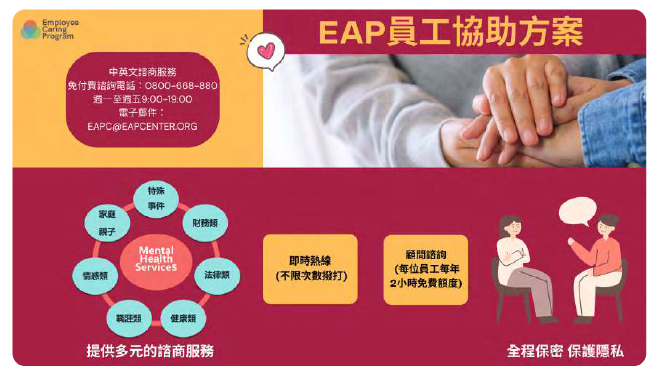
Since 2021, SAS has implemented the Employee Assistance Program Service Center (EAPC) to provide comprehensive support for employees. The program offers professional consultation services covering a wide range of topics, including emotional well-being, interpersonal relationships, legal matters, career development, family and parenting issues, and financial management. Each employee is entitled to two free one-on-one counseling sessions per year. In addition, occupational health nurses proactively refer employees with elevated stress or mental health risk indicators, as identified through the Mood Thermometer Survey, to EAPC services and conduct ongoing follow-up care and support.
Information about EAPC services is introduced during new employee orientation, accompanied by contact information cards for easy access. The Company also regularly shares articles on mental health and well-being to enhance employee awareness and resilience. Through professional counseling and support services, SAS aims to help employees effectively address challenges, resolve underlying issues, and work with confidence and peace of mind.
To promote work-life balance and strengthen team cohesion, the Employee Welfare Committee organizes multiple employee travel and recreational activities each year. These activities provide opportunities for employees to recharge, build stronger relationships with colleagues, and foster a sense of belonging. Family members are also encouraged to participate, allowing employees to spend quality time with their loved ones while promoting a healthy balance between work and personal life.
To ensure open communication and actively listen to employees’ perspectives, SAS has established multiple communication channels, including Labor-Management Meetings, Employee Suggestion Boxes, Occupational Safety and Health Committees, Old Pension Reserve Fund Meetings, and the Employee Welfare Committee. Through these channels, employees are encouraged to freely express their opinions and concerns. Constructive discussions and the exchange of ideas help facilitate effective two-way communication between employees and management, fostering mutual trust and creating a win-win workplace environment.
In addition, the Human Resources Department publishes a monthly e-newsletter featuring professional articles, English learning resources, company activities, and health-related updates. By encouraging employees to continuously learn, participate in internal and external activities, and stay informed, the Company supports employees in achieving a healthy balance between work and life while maintaining their physical, mental, and emotional well-being.
Scope
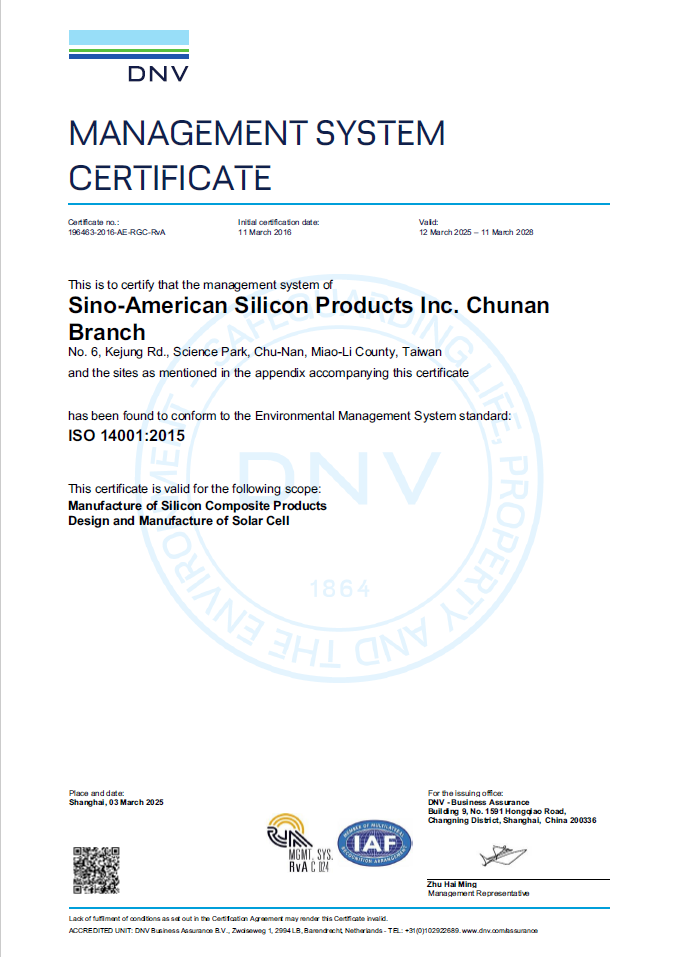
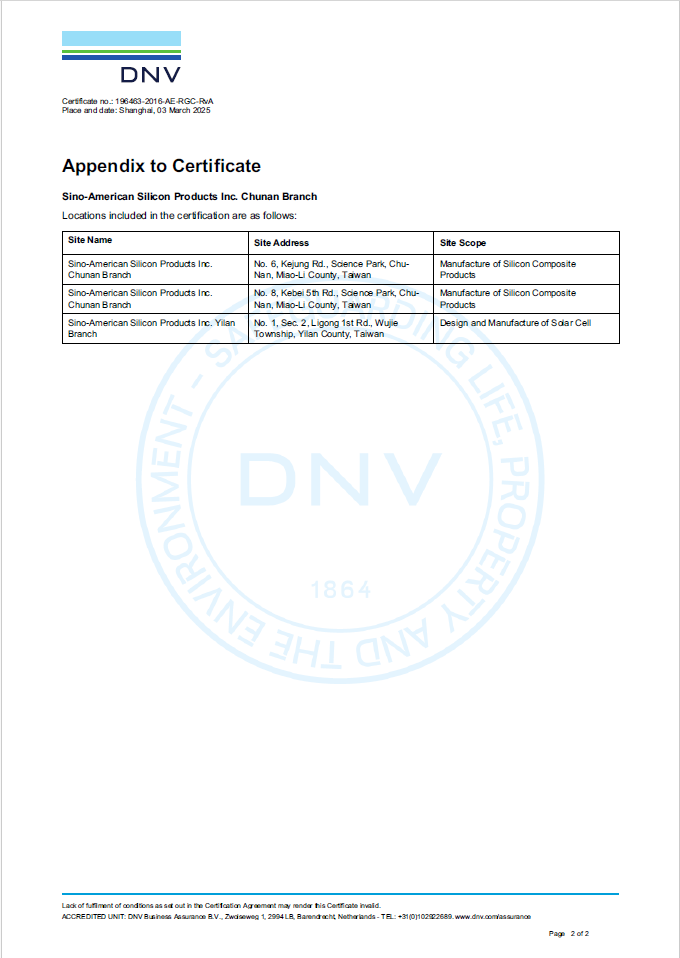
SAS implement environment, health and safety, energy management system (ISO 14001:2015/ISO 45001:2018/ISO 50001:2018)covers all activities, products and services of Chunan plant and Yilan plant. We actively enforce to improve the performance of EHS to ensure the effectiveness management system of EHS.
Policy
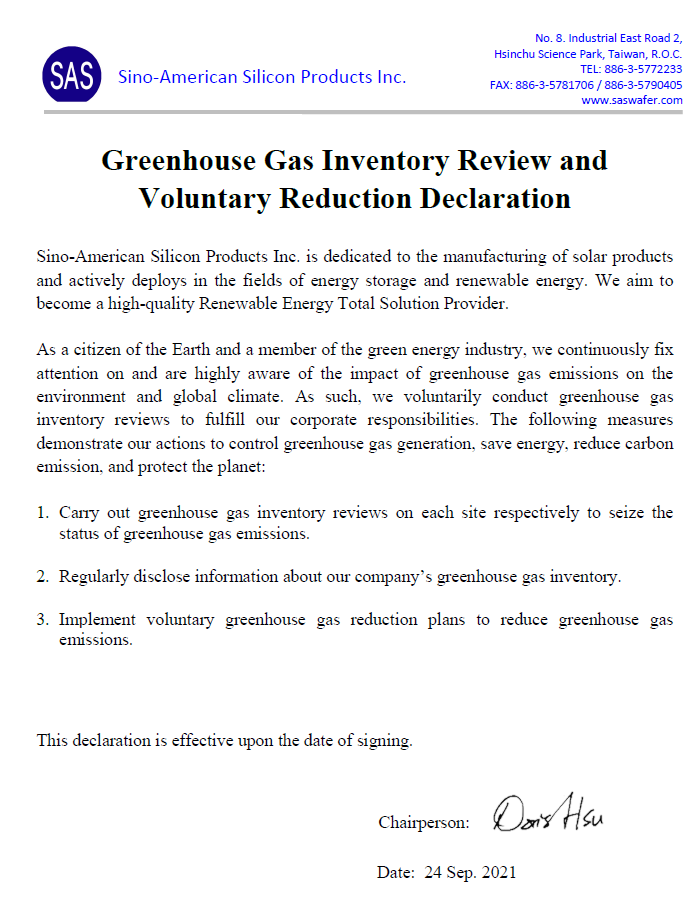
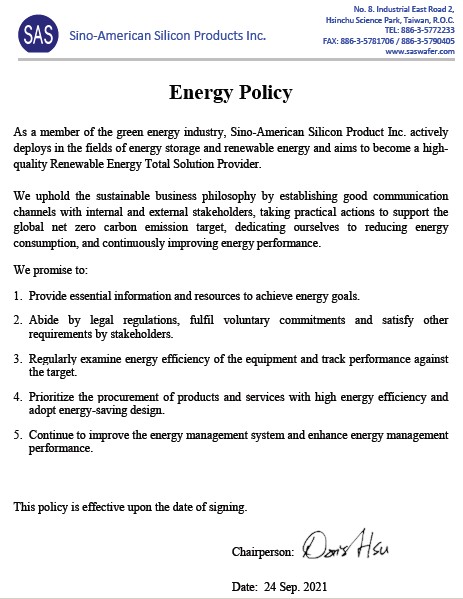
Certifications
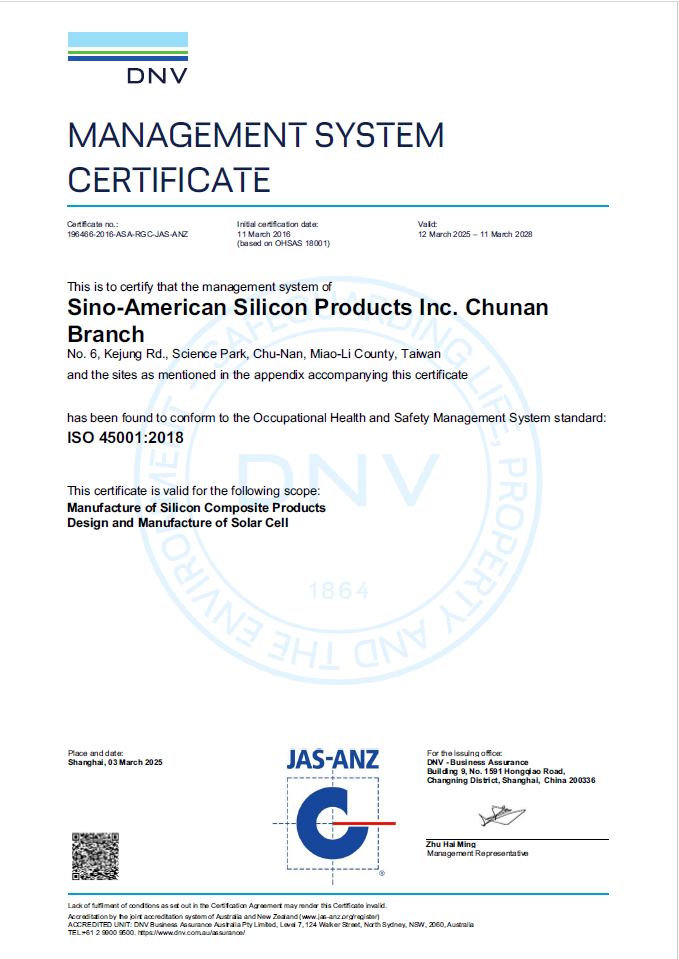
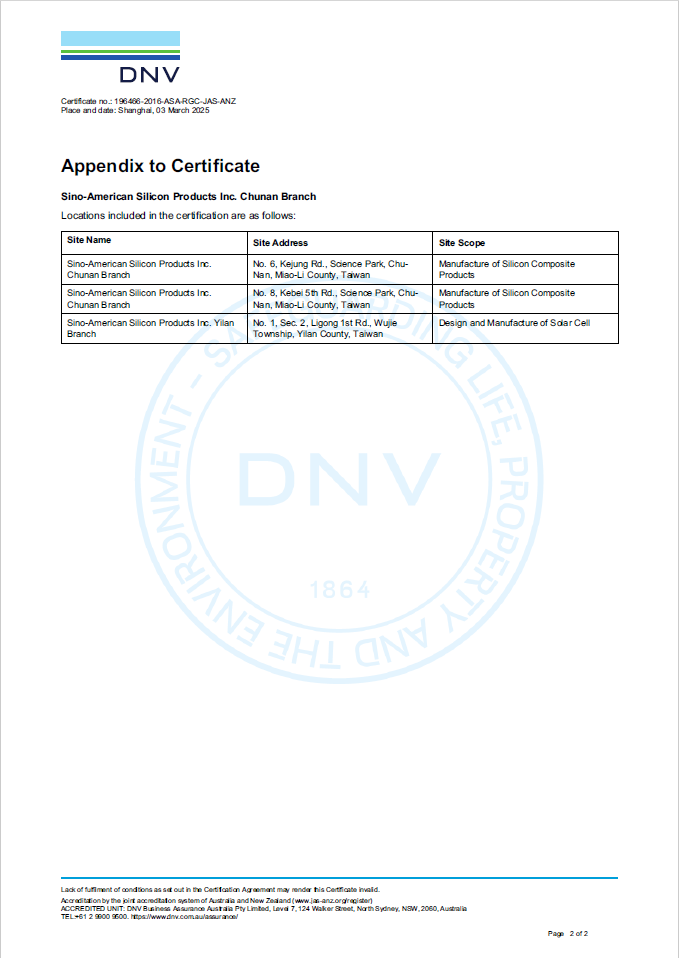
ISO 45001:2018
Certificate No.:196466-2016-ASA-RGC-JAS-ANZ
Initial Certification Date: 12 March, 2025
Validity Period: 12 March, 2025 ~ 11 March, 2028
ISO 14001:2015
Certificate No.:196463-2016-AE-RGC-RvA
Initial Certification Date: 12 March, 2025
Validity Period: 12 March, 2025 ~ 11 March, 2028
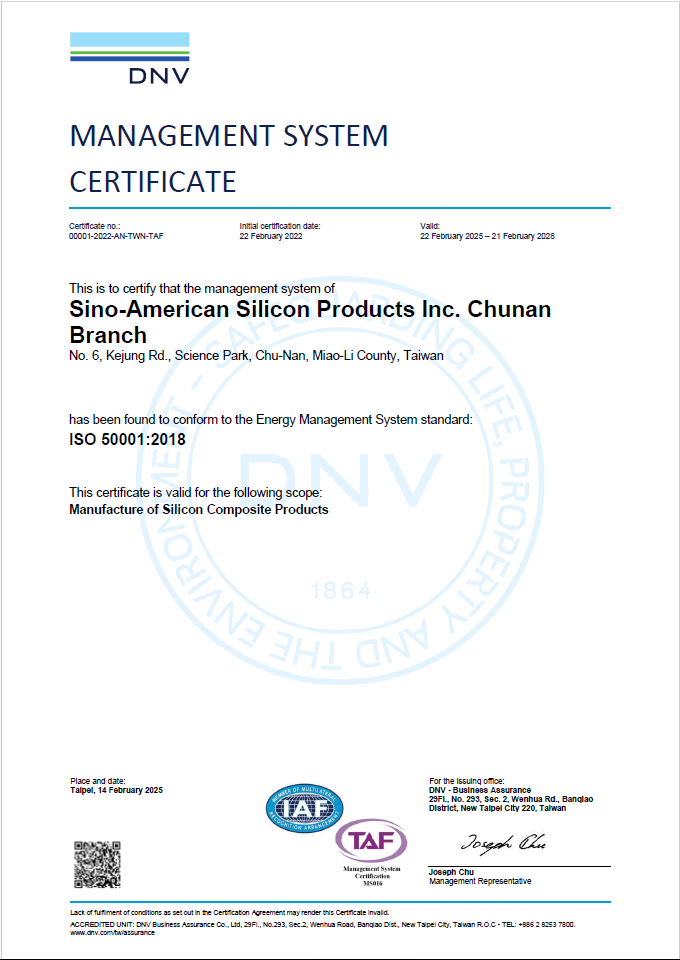
ISO 50001:2018
Chunan Branch
Certificate No.:00001-2022-AN-TWN-TAF
Initial Certification Date: 22 February, 2025
Validity Period: 21 February, 2028
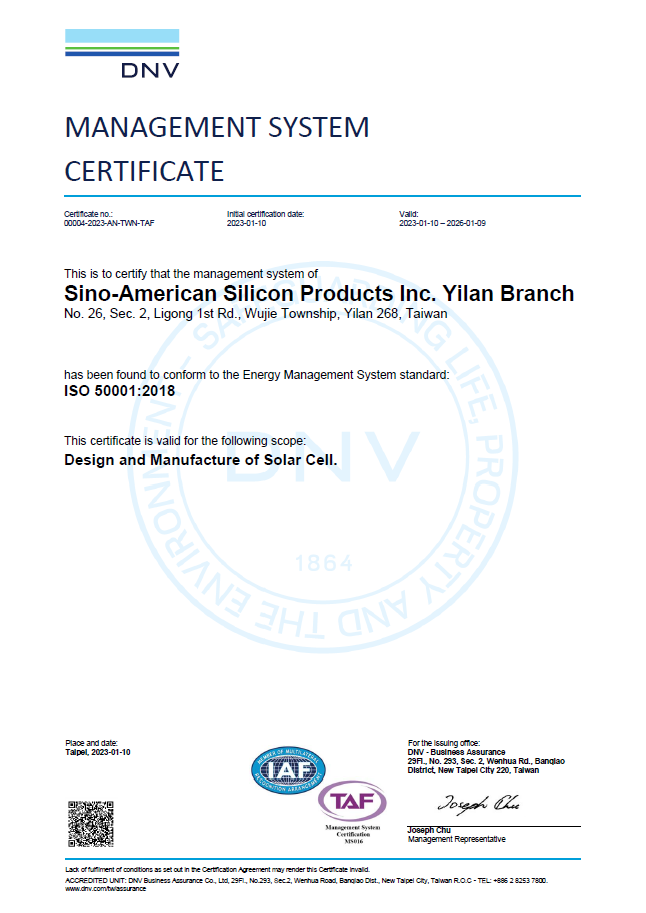
ISO 50001:2018
Yilan Branch
Certificate No.:00004-2023-AN-TWN-TAF
Initial Certification Date: 10 January, 2023
Validity Period: 9 January, 2026

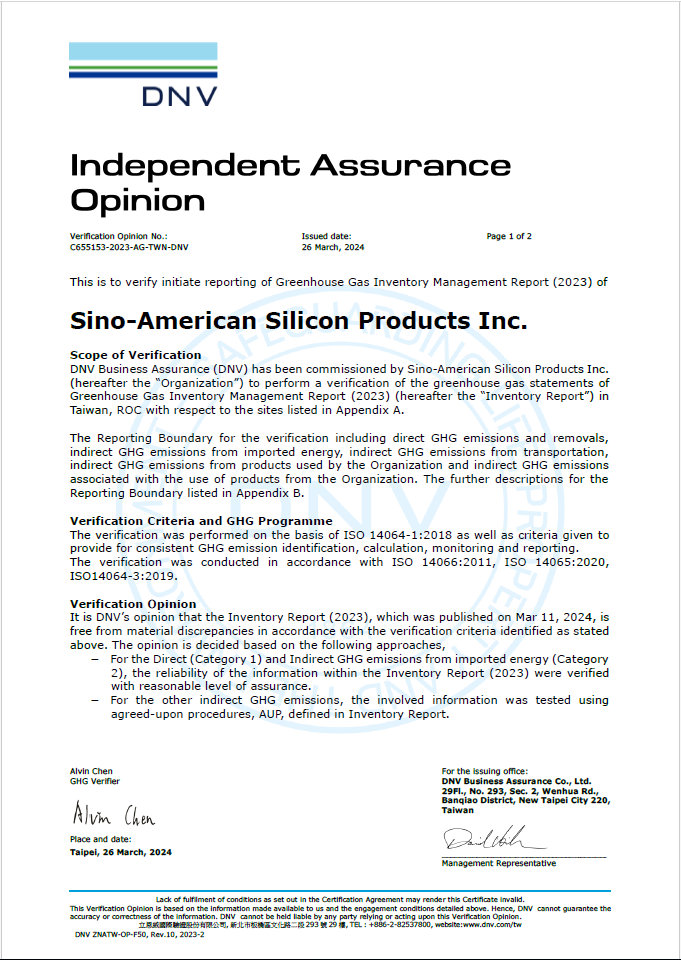
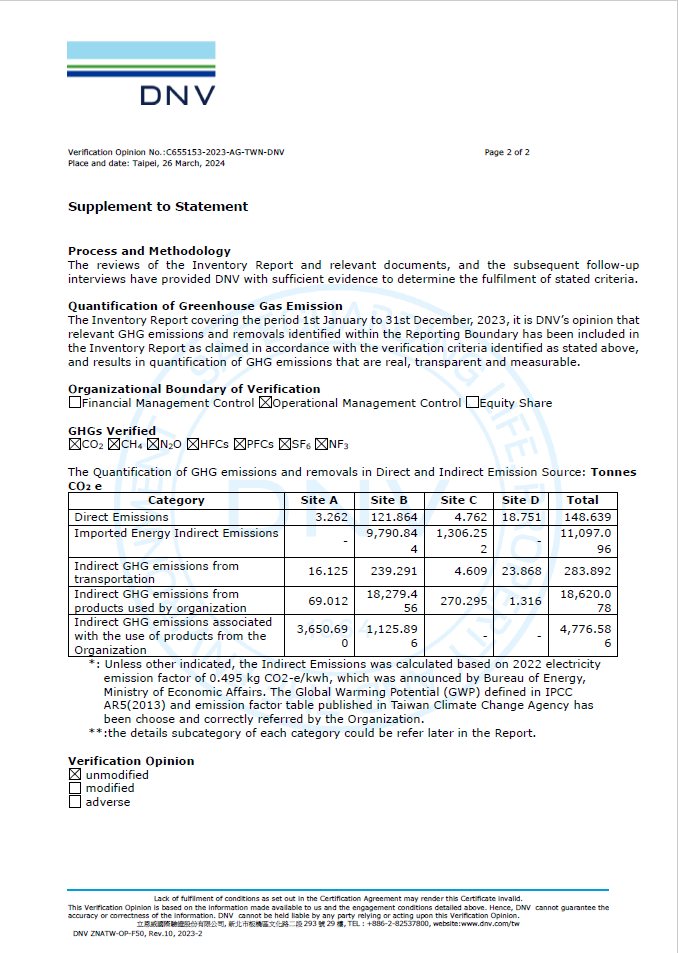
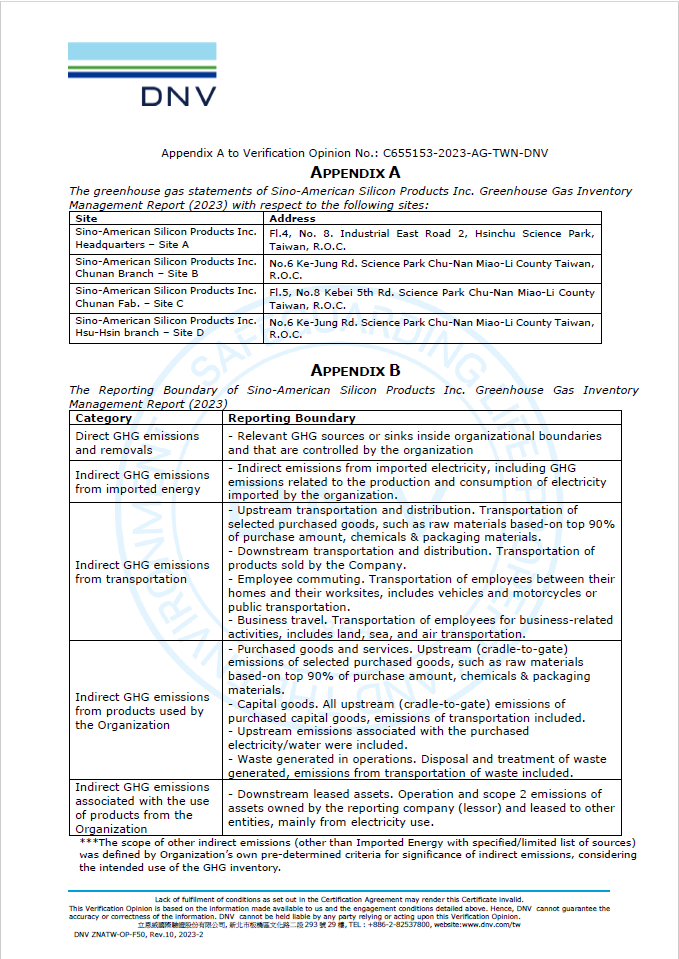
ISO 14064-1:2018
Sino-American Silicon Products Inc.
Statement No.:C655153-2023-AG-TWN-DNV
Issued Date: 26 March, 2024
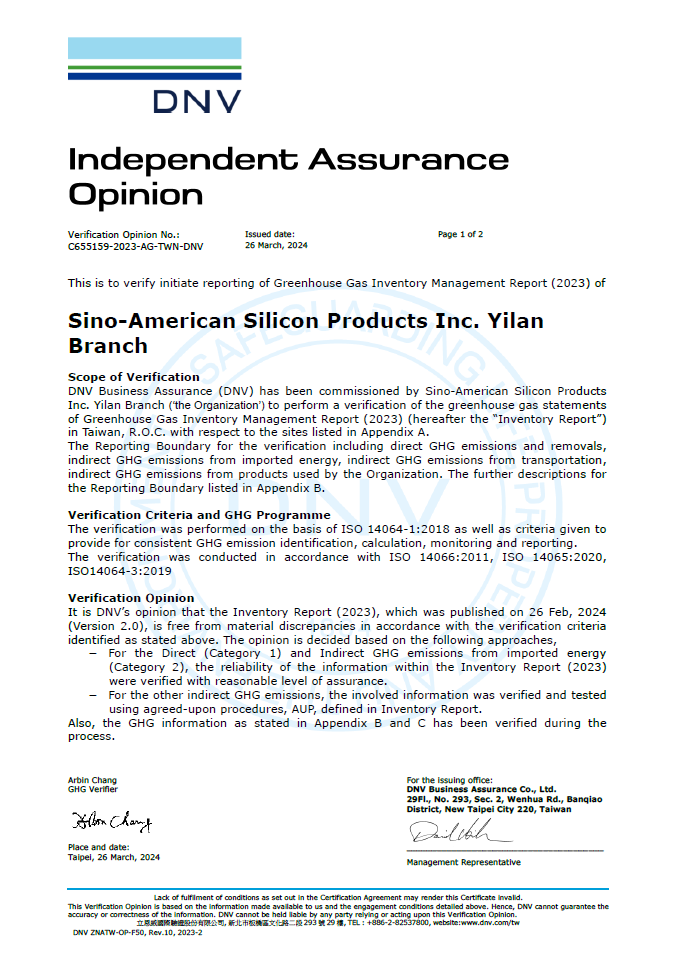
ISO 14064-1:2018
Sino-American Silicon Products Inc. Yilan Branch
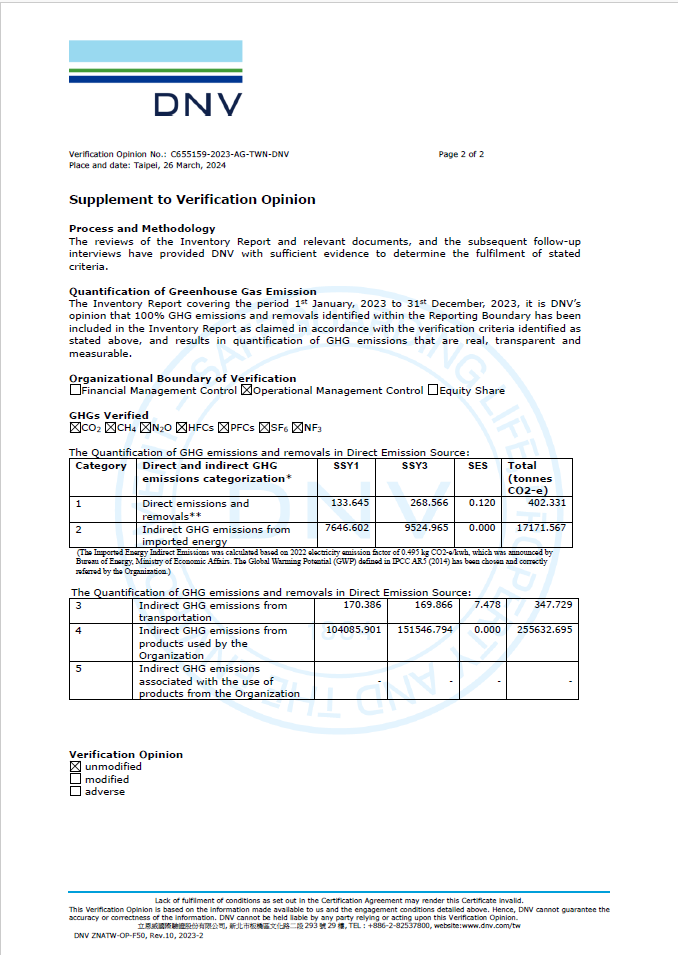
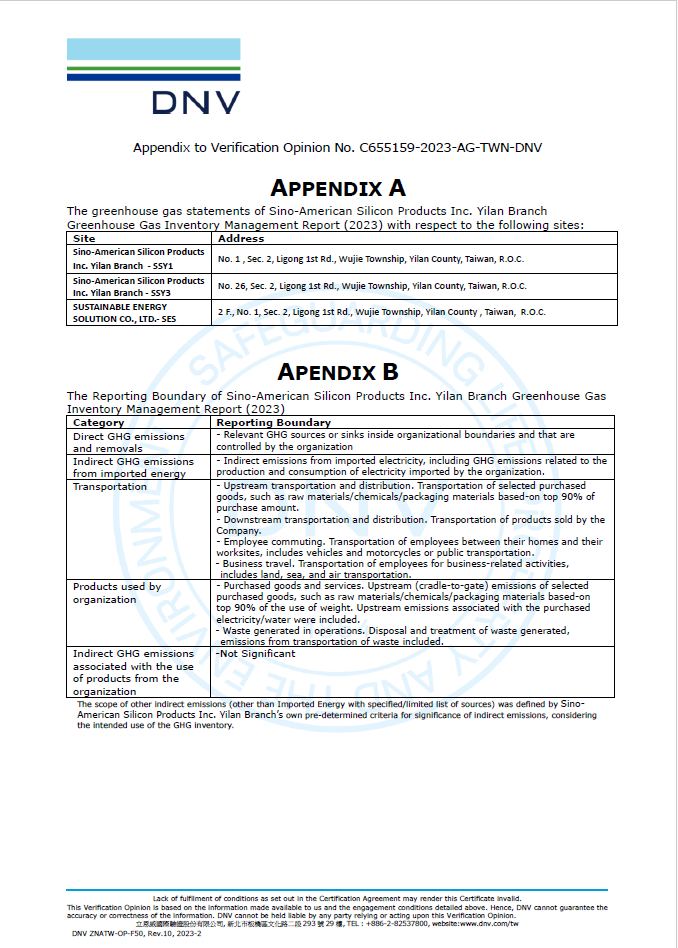
Statement No.:C655159-2023-AG-TWN-DNV
Issued Date: 26 March, 2024